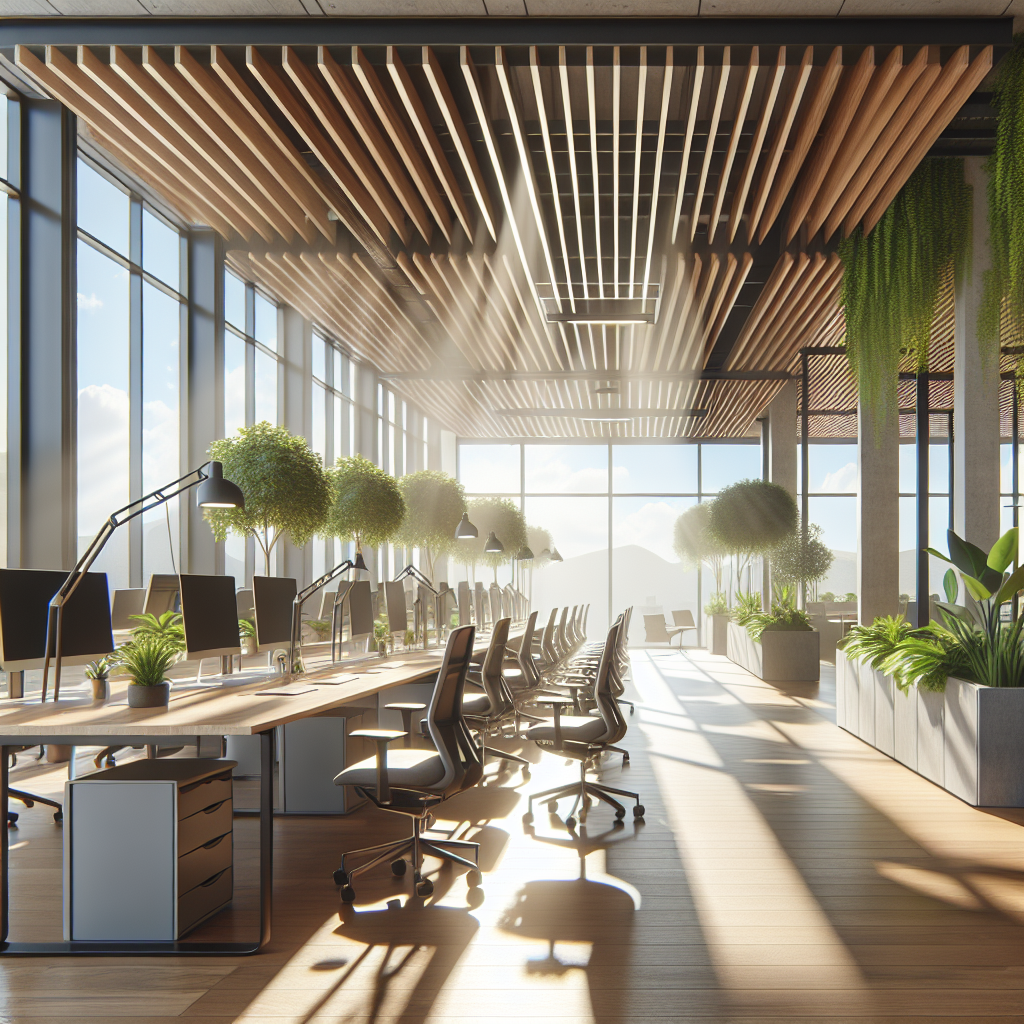
Office Furniture Relocation in Roswell, GA | GFI: Nature, light and calm drive outcomes for Workplaces in Roswell, GA
Across Roswell, GA, workplace leaders are rethinking space to support healthier, more productive days at work. The idea is simple: nature, light and calm drive outcomes. When your floorplan, furniture, and finishes channel natural daylight, reduce visual noise, and make movement effortless, people work with more clarity and fewer risks. This article offers a practical framework to apply that thinking in modern offices in Roswell, with a focus on safer desks, fewer trips, and a cleaner aesthetic.
What Nature, light and calm drive outcomes Means for Modern Workplaces
Nature, light and calm drive outcomes isn’t just a design slogan; it’s a practical workplace strategy. It aligns how you plan, select, and install office furniture with how people actually work. Nature adds biophilic cues—plants, natural materials, and views to greenery—that support mood and attention. Light means daylight access, smart task lighting, and reduced glare so monitors and faces are easy to see. Calm is the cumulative effect of clear pathways, cable discipline, acoustic control, and uncluttered desks that help minds focus. When you combine the three, you get safer desks with fewer snags and tip risks, fewer trips and stumbles thanks to defined circulation and tidy power routing, and a cleaner aesthetic that communicates order and care.
In practice, this often looks like height-adjustable benches positioned to share daylight evenly; monitor arms to place screens at ergonomic heights; integrated power and cable channels to remove cords from walkways; movable storage that doubles as space division; planters and warm wood tones to soften edges; and acoustic panels that tame echo without blocking light. The result is a workplace that feels human, functions smoothly, and reads as professional to visitors and clients.
Business Impact
- Fewer incidents and safer desks: Stable sit-stand stations, secure monitor arms, and disciplined cable management reduce snags, tip risks, and under-desk clutter.
- Higher focus and less fatigue: Balanced daylight, glare control, and acoustic calm reduce cognitive load so teams can concentrate longer.
- Efficient circulation and fewer trips: Clear walkways and logical adjacencies shorten routes to printers, huddle areas, and shared storage, minimizing wasted motion.
- Cleaner aesthetic, stronger brand: A visually tidy environment signals competence and care to employees, clients, and prospective hires.
- Better use of real estate: Right-sized settings, modular components, and multi-use furniture support churn without costly rework.
- Improved well-being and retention: Access to light, greenery, and calm settings supports everyday comfort and makes the office a preferred place to get work done.
Trends & Evidence
Across the industry, we see convergence around a few durable truths. Daylight exposure and views to natural elements support alertness and mood; glare control matters just as much as bringing light in. Biophilic design—plants, natural finishes, and organic textures—helps people relax and focus without demanding attention. Clutter (especially cables) erodes both safety and perception of professionalism; when wires are routed through desk-integrated channels and raised from the floor, trip risks and cleaning challenges drop. Finally, calm is more than quiet; it’s predictability. Clear pathways, consistent workstation layouts, and intuitive wayfinding help people move confidently and reduce daily friction.
Local Angle in Roswell
Consider a Roswell software firm near the Chattahoochee River. Their perimeter offices hoarded windows, leaving the benching area dim and cluttered with ad hoc power strips. A light replan shifted sit-stand benches perpendicular to glazing to share daylight, added monitor arms and task lights, introduced planters as low dividers, and routed power through underfloor feeds with desk-integrated cable spines. Circulation aisles became obvious, cords disappeared from walkways, and the team reported fewer snags and a calmer feel—without changing square footage.
Practical Framework & Tips
- Map light and sightlines: Walk your floor at 9 a.m., noon, and 3 p.m. Note glare zones, dark pockets, and blocked views. Reorient desks to share daylight and minimize direct glare on monitors.
- Design for cable discipline: Specify furniture with integrated power troughs, grommets, and vertical spines. Keep power and data off the floor wherever possible and out of aisles. Label both ends for maintenance.
- Standardize safer desks: Use stable sit-stand frames, weight-appropriate monitor arms, and secure privacy screens. Apply a consistent setup checklist so every station is safe and ergonomic on day one.
- Clarify circulation: Establish primary and secondary paths at least a shoulder-width apart, avoiding pinch points at doors, collaborative tables, and printer nooks. Use storage islands and planters to define routes without blocking light.
- Layer acoustic calm: Combine soft seating, wall panels, and ceiling baffles where needed, keeping sightlines open. Target reverberant hotspots (glass meeting rooms, open corridors) first.
Common Pitfalls & How to Avoid Them
- Chasing maximum daylight, ignoring glare: Remedy by angling desks perpendicular to windows, adding adjustable blinds, and sizing monitor arms to fine-tune screen angles.
- Overstuffing the floor with furniture: Remedy by planning for negative space; leave clear, continuous walkways and avoid back-to-back obstructions at circulation nodes.
- Ad hoc power solutions: Remedy by committing to a cable standard—desk-integrated routing, labeled drops, and no loose power strips in traffic paths.
- Decor without upkeep: Remedy by selecting plants with a maintenance plan (or quality biophilic alternatives) and finishes that clean easily to preserve the calm, clean aesthetic.
FAQ — Nature, light and calm drive outcomes for Roswell Workplaces
Q: Where should we start if our space feels cluttered and dim? A: Audit light, circulation, and cable routing first. Small moves—reorienting benches, adding monitor arms and task lights, and routing cables into furniture channels—often produce immediate gains. Q: How do we balance privacy with light and openness? A: Use low, translucent dividers, plants, and acoustic panels to preserve sightlines while softening sound and visual distractions. Place enclosed rooms deeper in the floor, leaving shared daylight for open areas. Q: Will this approach increase cost? A: Not necessarily. Many wins come from reconfiguration, better accessories, and disciplined cable management. When you do purchase, choose modular pieces that adapt over time to avoid future rework. Q: Does this apply to smaller suites in modern offices in Roswell? A: Yes. In compact footprints, clarity matters even more—integrated power, multi-use storage, and a simple palette amplify light and reduce clutter.
Talk to an Expert
If you want a practical plan to bring nature, light and calm drive outcomes into your Roswell workplace, our team at GFI — General Furniture Installation can help you assess, phase, and execute with minimal disruption. Learn more at https://gfiatl.com/contact or call (855) GFI-4300.